Health and Safety Policy for Commercial Waste Removal Archway
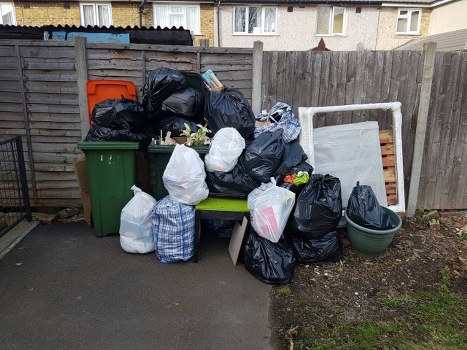 This Health and Safety Policy sets out the principles and practical measures applied by our commercial waste removal operation in the Archway service area. It describes how we protect staff, contractors, clients and the public during provision of commercial waste collection, rubbish clearance and waste disposal services. The purpose is to identify hazards, manage risk and ensure consistent procedures are followed across all sites and vehicle operations.
The policy applies to all commercial waste removal activities including skips, bin collections, bulky waste clearance and on-site rubbish handling. Everyone engaged in commercial rubbish collection, equipment maintenance, vehicle driving and site coordination must understand their obligations. Key responsibilities are allocated to management, supervisors and operatives to maintain safe systems of work.
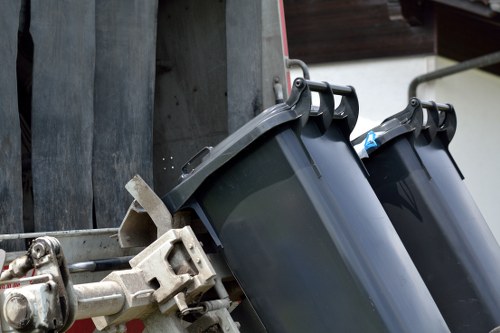 Risk assessment is central to our approach. We carry out and regularly update site-specific and task-specific risk assessments for waste collection in offices, retail, light industrial and mixed-use premises. Assessments consider hazards such as manual handling, vehicle movements, sharps and hazardous materials, slips and trips, working at height and adverse weather. Controls are implemented using the hierarchy of risk control: elimination, substitution, engineering, administrative measures and personal protective equipment.
Management commits to provide adequate resources for training, supervision and equipment so that safe working methods are practical and effective. Employees receive induction and role-specific training covering safe lifting techniques, confined space awareness (where relevant), segregation of waste streams and safe operation of lifting equipment and compactors. Training records are maintained and refreshed periodically.
 Personal protective equipment (PPE) is issued according to task risk assessments. Standard PPE for rubbish removal operatives includes hi-vis clothing, safety footwear, gloves suitable for handling waste, eye protection and hearing protection where required. PPE is used as a last line of defence and is complemented by engineering controls such as manual handling aids, tail-lift vehicles and secure containment for hazardous items.
To reduce manual handling injuries, we implement mechanical aids and correct team-lifting procedures. Supervisors monitor workloads to prevent repetitive strain and overexertion. All staff are encouraged to report musculoskeletal discomfort early so adjustments to tasks can be made before incidents escalate.
Vehicle safety and traffic management form a critical component of the policy. All drivers and vehicle operatives must hold appropriate licences and receive vehicle-specific training. Vehicles are subject to pre-shift checks, routine maintenance and secure load procedures to prevent spillage and ensure roadworthiness. We operate safe access zones at client sites and use banksmen or spotters when reversing or manoeuvring in congested areas.
Hazardous and specialist wastes are managed under strict segregation and containment rules. Where hazardous material is encountered during commercial rubbish removal activities, work is stopped and the material is isolated until competent personnel assess and manage disposal or specialist removal. Chemical, asbestos-like fragments, batteries and electronic waste are treated with defined controls and disposed of through approved waste channels to minimise environmental and health risks.
Emergency preparedness includes procedures for spill response, first aid, fire safety and incident escalation. The company maintains trained first-aiders, spill kits and clear arrangements for summoning emergency services. Incident reporting is mandatory: all accidents, near misses and dangerous occurrences are recorded, investigated and used to improve controls and prevent recurrence.
Monitoring and continuous improvement are embedded in our safety culture. Management conducts regular workplace inspections, audits of rubbish collection operations and reviews of risk assessments after significant changes or incidents. Performance indicators include incident rates, training completion, vehicle defects and client site compliance checks. Findings lead to corrective actions and documented updates to safe working procedures.
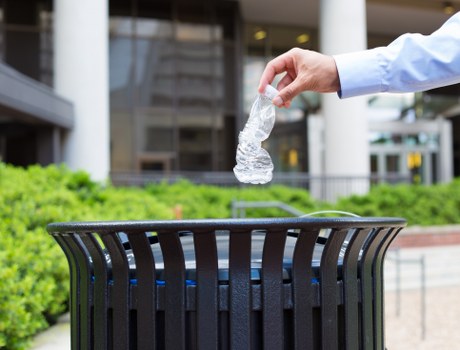 Roles and responsibilities are clearly defined: senior management provides leadership and resources; supervisors implement safe systems and training; all employees must work safely, wear issued PPE and report hazards promptly. Sub-contractors engaged for commercial waste removal services are required to meet the same safety standards and must supply evidence of competency and insurance before starting work.
 This policy is supported by a range of operational documents, including standard operating procedures, safe work method statements, equipment manuals and permit-to-work arrangements where required. Regular communication ensures awareness of policy updates, and consultation with staff fosters shared ownership of safety improvements. The company is committed to maintaining a safe, healthy and legally compliant environment for the delivery of professional waste removal and rubbish clearance services across the Archway area and adjacent service locations.
Key Elements
- Risk assessment and control
- Training and competence
- PPE and engineering controls
- Vehicle and traffic safety
- Hazardous waste management
- Incident reporting and investigation
- Monitoring, audit and review
Commitment
The company leadership declares a commitment to maintain and improve this health and safety policy for commercial waste collection and rubbish removal operations in the Archway service area. Everyone involved in our services is expected to uphold these standards to protect themselves and others.
Policy review will be conducted at regular intervals and following significant operational change to ensure continuing relevance and effectiveness.