Commercial Waste Removal in Archway

Commercial waste removal in Archway keeps business premises clear, workable and presentable without turning bin management into a daily distraction. We handle recurring and one-off collections for offices, shops, studios, hospitality venues and other workplaces that need a reliable way to move out unwanted material. The focus is on practical business waste removal that supports normal trading, with clear sorting, sensible loading and disposal routes matched to the type of waste involved.
Our service covers general commercial rubbish, mixed office waste, packaging, redundant furnishings and many common items removed during refits, relocations and routine clear-outs. Where a business needs help planning what should go, the work can be organised around access, timing and the type of materials on site. For a closer look at the main service, see our business waste removal page. If you are comparing options, you can also review pricing and quotes for the usual factors that shape a job.
Archway businesses often need removals that are tidy, considerate and straightforward to arrange. The aim is to keep the process simple while still dealing properly with the waste itself. Sorted waste, clear access and accurate information all help shape a smoother booking. When you are ready, make your enquiry and request a quotation in plain terms so the job can be assessed against the actual material to be removed.
Business waste collections for everyday operations
Many premises produce a steady flow of waste that is too bulky, too irregular or too mixed for ordinary internal bins. We collect items such as bagged rubbish, cardboard, packaging, archive material, broken fittings and other commercial refuse that builds up around desks, stock areas and service counters. For some sites the work is best arranged as a simple clear-out; for others, a repeating collection pattern is more practical. The right approach depends on what is being produced and how quickly it accumulates.
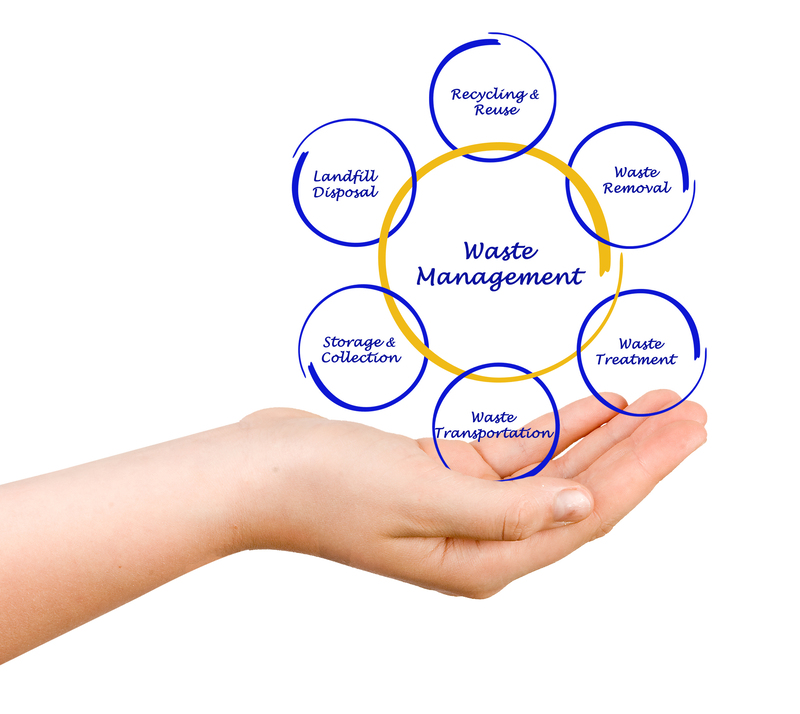
Commercial waste removal is not just about emptying a space. It is about understanding what the premises generate and choosing a removal method that fits the business. In some cases this means separating recyclable material from general waste. In others it means making sure a load is lifted in a way that avoids disruption to customers or staff. If you want to compare different ways of organising waste, the waste removal service page provides a broader overview of the main collection work available.
When arranging a quotation, it helps to describe the main waste streams clearly rather than simply saying that a room needs clearing. A short inventory, notes about floor levels and a basic idea of quantities can make the estimate more accurate. If you also need a practical way to dispose of obsolete desks or storage, the office clearance page explains a related service for workplace furniture and contents.
Office waste and workplace clearance
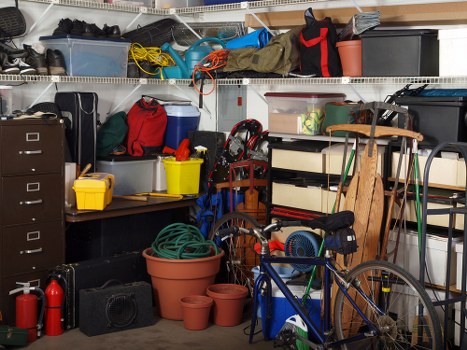
Office waste removal in Archway often involves more than paper and general rubbish. Workplaces can accumulate broken chairs, filing cabinets, monitors, mixed fixtures, packaging from deliveries and items left behind after reorganisations. A careful clearance keeps corridors usable and makes it easier to reclaim storage space without dragging out the disruption. We can remove single items or larger groups of office waste, depending on what has built up and how the premises are laid out.
Where a workplace is being refurbished, downsized or moved, the service can include furniture, loose office contents and other redundant items that no longer fit the new setup. The work is usually easier when items are grouped by type and access routes are kept clear. For office environments, it is also sensible to think about documents, confidential material and equipment separately. If secure paper disposal is relevant, you can also review confidential shredding as a specific supporting service.
For many businesses, the key decision is whether the job is a light removal or a fuller clear-out. Smaller jobs may involve a handful of oversized items, while larger projects can include workstations, shelving and general office waste collected together. Either way, a straightforward quotation depends on the quantity, type and accessibility of the items. If you are preparing to book, the most useful next step is to list what is staying and what needs to go.
Clearance for furniture, fittings and bulky items
Bulky commercial furniture can be awkward to move, especially where reception areas, shared corridors or narrow stairways are involved. Chairs, desks, cupboards, tables and waiting-room seating often need to be removed in a way that protects the premises as well as the items being handled. We deal with these clearances as part of commercial waste removal when the load is mainly made up of unwanted workplace furniture and similar bulky material.
Some businesses only need help with a few items; others need a coordinated collection after an upgrade or relocation. In both cases, the task is simpler when the furniture to be taken away is identified in advance and access is described clearly. For example, if you are replacing an office interior, the relevant service pages for furniture disposal and furniture clearance can help you judge which approach fits the job best.
The removal plan should also take account of any mixed waste sitting alongside the furniture. Boxes, fixtures, loose fittings and dismantled components may all need sorting before collection. Where possible, it helps to separate reusable-looking furniture from items that are clearly beyond use, but the main priority is accuracy. A clear description lets the quotation reflect the actual work rather than a rough guess.
Shop, hospitality and trade premises
Commercial waste removal is not limited to offices. Shops, cafés, takeaways, salons, small workshops and other trading premises can generate packaging, display material, redundant stock, broken fittings and general rubbish that does not fit an ordinary bin route. Our service can be used for ad hoc clear-outs or for regular waste movements where a site needs additional help beyond its standard arrangements.
For premises that deal with stock rotation or seasonal changes, the useful question is often what should be removed first and what can be left in place until the next phase of work. A practical removal plan can reduce clutter around tills, storerooms and preparation areas. If the waste includes mixed household-type contents from a business premises, the broader home clearance and house clearance pages may be helpful for understanding related clearance styles, although the commercial job itself remains the main focus here.
Good preparation is simple: identify the rooms or areas involved, note any restricted access, and separate anything that must stay on site. A few photographs can also help when a quotation needs to reflect the amount of waste rather than just the number of items. If you are ready to proceed, ask for a quotation and describe the load in plain language so the estimate is based on the correct scope.
Waste types we can help to remove

Commercial waste comes in many forms, and the type of material often affects how the collection is planned. General waste, cardboard, packaging, office contents, old display items and broken fittings are all common in business settings. Some loads are straightforward and mixed; others are best handled with a little more care because they include awkward, heavy or specialist items. The more accurately the waste is described, the easier it is to match the job with the right approach.
Where suitable, recyclable material can be separated from general rubbish before loading. That may apply to paper, cardboard or certain clean hard materials, depending on the make-up of the load. Special items need separate attention, including fridges, appliances and other equipment that cannot simply be placed with ordinary waste. For more detail on those categories, see fridge and appliance removal and the related mattress and sofa disposal page for bulky domestic-style items that sometimes appear in mixed clearances.
Not every site needs the same level of sorting. A small office tidy-up may involve mostly paper and packaging, while a retail back room may contain shelving, mixed displays and stock packaging all together. The quotation should reflect those differences. When you enquire, it is sensible to mention anything unusually heavy, awkward or likely to need extra handling so there are no surprises on the day.
Hazard-aware and compliance-sensitive waste
Some commercial waste requires extra caution because it cannot be treated like routine rubbish. This includes items that may be hazardous, sharp, contaminated or otherwise unsuitable for an ordinary mixed load. We can discuss these cases in advance so the collection is planned around the material itself rather than around a one-size-fits-all assumption. That is especially useful where a site contains maintenance waste, older fittings or equipment with specialist disposal needs.
Hazardous items should always be identified before collection rather than hidden within general waste. In many cases, the right course is to separate them out and arrange disposal through an appropriate route. If you need to understand what belongs in this category, the hazardous waste disposal page gives a more specific route for those materials. For companies that handle records or sensitive documents, the same careful approach applies to paperwork and storage.
The main point is that not every load should be treated as ordinary commercial rubbish. A sensible quotation depends on honesty about the contents, even when that means a more specialised collection. If you are unsure whether something can be included, describe it clearly rather than assuming it will fit with standard waste. That makes the process safer and helps avoid delays when the team arrives.
About Archway
Archway is a North London district in the London Borough of Islington, taking its name from the hill and the historic turnpike road that once passed through the area. The district sits close to the boundary with Haringey and Camden, and it is shaped by a mix of residential streets, busy routes and local high streets. The name itself is linked to the old Highgate Archway, a road feature created in the early nineteenth century to improve the route over Highgate Hill. That historical connection remains part of the area’s identity, even though the modern neighbourhood has developed far beyond its original road improvement roots.
The area is well known for Archway Road, a major north-south route that threads through the district and connects to neighbouring parts of north London. Nearby places such as Highgate, Tufnell Park and Upper Holloway help define the wider local setting, while the underground station gives the name further everyday recognition. The surrounding streets include a mix of nineteenth- and twentieth-century development, with terraces, apartment buildings and commercial frontages appearing alongside each other. The district has an urban feel, but it also sits within reach of green space and hilltop views that are associated with the Highgate area.
Local landmarks and open spaces contribute to Archway’s character. Waterlow Park lies to the west near Highgate, offering landscaped greenery and views across the city, while nearby streets connect to historic institutions, churches and long-established residential quarters. The area’s built environment reflects successive phases of growth, from older route-based settlement to later housing and transport links. As a result, Archway is best understood as a lived-in part of inner north London: busy, layered and closely tied to the road, rail and community patterns that have shaped it over time.
Clearances for moves, refits and changes of use
Commercial waste removal is often needed when a property is changing hands, being refitted or repurposed. That may involve removing unwanted contents from a retail unit, clearing redundant items from a back office or taking away mixed waste left behind after works. A good plan looks at the sequence of removal as well as the final load, especially where access is limited or where one area has to stay open while another is cleared.
Refit jobs can generate a mixture of offcuts, packaging, broken fixtures and obsolete furniture. In those situations, the service is less about a single category of rubbish and more about keeping the site manageable while the work is underway. Our related builders waste clearance page covers material from works and refurbishments, while garage clearance can be useful when storage areas are holding old equipment, fixtures or miscellaneous business overflow.
A quotation for this sort of job should reflect what is still attached, what is loose and what needs dismantling before it can be removed. The clearer the job description, the less room there is for uncertainty. Where useful, group the waste by room or zone and make a note of anything that may need to be separated before loading.
Planning the collection and understanding price factors
Several practical details influence a commercial waste quotation. The type of waste matters, because mixed general rubbish is not assessed in the same way as furniture, appliances or specialist material. Volume also matters, since a few bulky items are different from a larger mixed load. Access, parking, stairs and the amount of sorting needed can all affect the planning, so the most useful quotation request gives a simple but honest picture of the job.
A clear enquiry usually includes the location within the premises, the waste categories involved and whether anything needs dismantling or carrying from another floor. If the collection is part of a broader site tidy-up, mention that too. You can read more about service structure through about us, or if you prefer to move ahead directly you can use book online as a straightforward route to arrange the work.
For a final step, send a concise description of the waste, the premises and the timing you have in mind, then request a quotation in plain language. If you would like the job assessed against the actual material on site, ask today and keep the details practical: what must go, what can stay and how the space is accessed. That is usually enough to begin planning the removal properly.